
Tasmania is a great place to explore. Beautiful scenery, changing landscapes, and unique attractions all make for a great journey, but conditions can take visitors by surprise.
If you’re visiting Tasmania and intend to drive a car or ride a motorbike while here, there are a few simple rules and tips you need to know that will help keep you and your passengers safe.
Take regular breaks and avoid driving tired. Jet-lag, routine changes and long periods of driving can increase tiredness. Stay hydrated and eat regularly and don’t drive for too long in one day. If you feel the effects of tiredness in any way, stop and rest.
What to do if you find injured or orphaned wildlife:
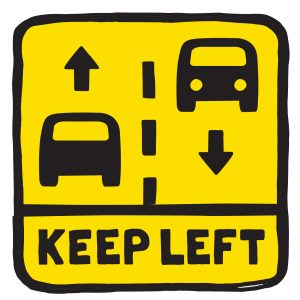
Always drive on the left hand side of the road
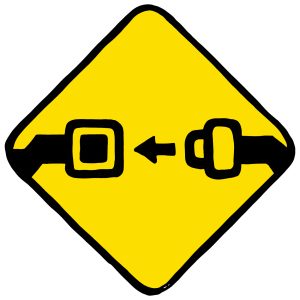
Driver and passengers must wear a seatbelt at all times

Never use a mobile phone while driving
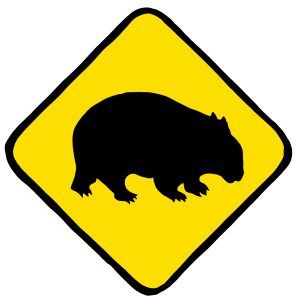
Slow down and look out for animals, especially between dusk and dawn

Pull off the road when stopping to take photos, enjoy scenery, or read maps

Stop and give way in both directions
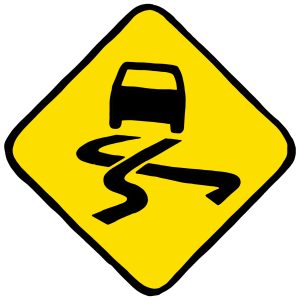
Slow down on winding, gravel, or icy roads in bad weather

You must obey speed limits. In poor conditions, drive slower than the speed limit

Hazard markers warn that the road ahead is about to change direction

Give way in both directions
Driving on unfamiliar roads can increase your risk of a crash. It’s important to plan ahead, get to know your vehicle, become familiar with important road rules and always obey them.
• Drive with caution and always be aware of changing road and weather conditions.
• Most roads in Tasmania are single lane in each direction.
Some roads can also be narrow, winding and have sharp corners. You might also encounter gravel roads, so remember to always drive to the conditions. And if you need to, pull over in a safe
place to allow others to pass from behind.
• Also allow plenty of time when travelling. Travel times in Tasmania can be longer than you expect. Travelling 150km may take 2 hours, so plan on driving no more than 300km per day and take frequent breaks. Plan to stay the night in your arrival city so you’re well rested before setting off the next day.
Regardless of where you are travelling in Tasmania, be prepared for sudden changes in weather conditions. Blue skies and sunshine can quickly change to rain and hail. Fog, snow, and ice can also be experienced in some areas.
The west and east coasts of Tasmania have very different weather conditions. Before setting out, always check the weather forecast at the Bureau of Meteorology
Keep your vehicle filled up with fuel. Don’t rely on fuel being available in smaller towns, particularly at night.
If you’re involved in a crash and:
A driver involved in a crash is required to exchange details with:
From Hobart
| To | Distance (kilometres) | Duration |
| Bicheno (via Sorell) | 178 | 2 hours 25 minutes |
| Coles Bay | 192 | 2 hours 20 minutes |
| Cradle Mountain (via Midland and Bass Highways) | 302 | 4 hours 15 minutes |
| Devonport (via Midland Highway) | 277 | 3 hours 30 minutes |
| Geeveston (via Huon Highway) | 62 | 50 minutes |
| Kettering (via Channel Highway) | 37 | 30 minutes |
| Launceston | 198 | 2 hours 20 minutes |
| Port Arthur | 93 | 1 hour 30 minutes |
| Queenstown | 260 | 3 hours 40 minutes |
| St Helens | 265 | 3 hours 40 minutes |
| Strahan | 300 | 5 hours |
From Launceston
| To | Distance (kilometres) | Duration |
| Bicheno (via Scottsdale) | 236 | 3 hours 30 minutes |
| Coles Bay (via Campbell Town) | 209 | 2 hours 30 minutes |
| Cradle Mountain | 149 | 1 hour 55 minutes |
| Devonport | 99 | 1 hour 15 minutes |
| Hobart (via Midland Highway) | 198 | 2 hours 20 minutes |
| Queenstown (via Sheffield) | 251 | 3 hours 30 minutes |
| St Helens (via Scottsdale) | 163 | 2 hours 20 minutes |
| Strahan (via Cradle Mountain) | 298 | 3 hours 55 minutes |
From Burnie
| To | Distance (kilometres) | Duration |
| Devonport | 49 | 40 minutes |
| Hobart | 349 | 4 hours |
| Queenstown | 165 | 2 hours 4 minutes |
| Smithton | 85 | 1 hour |