
When you’re driving, every distraction matters.
Taking your eyes off the road for even a few seconds can mean missing a hazard, drifting out of your lane, or reacting too late to avoid a crash. Even small distractions can have serious consequences.
Distraction and inattention are among the biggest risks on our roads, and it’s not just about mobile phones. Whether it’s checking a notification, changing the music, talking to passengers, eating, or letting your mind wander, every distraction takes your attention away from driving.
Driving is a complex task that requires your full focus. Every road user, including your passengers, other drivers, motorcyclists, cyclists and pedestrians, relies on you paying attention. Stay focused and drive distraction free.
When you’re driving, your attention should be on the road at all times. Even a brief lapse in concentration can mean:
At 100 km/h, taking your eyes off the road for just two seconds means travelling more than 55 metres without properly watching where you’re going.
Distraction doesn’t just put you at risk — it puts your passengers, other drivers, cyclists, motorcyclists and pedestrians at risk too.
Driver distraction can be:
Visual – taking your eyes off the road
Manual – taking your hands off the wheel
Mental – taking your mind off driving.
Many distractions involve more than one of these at the same time.
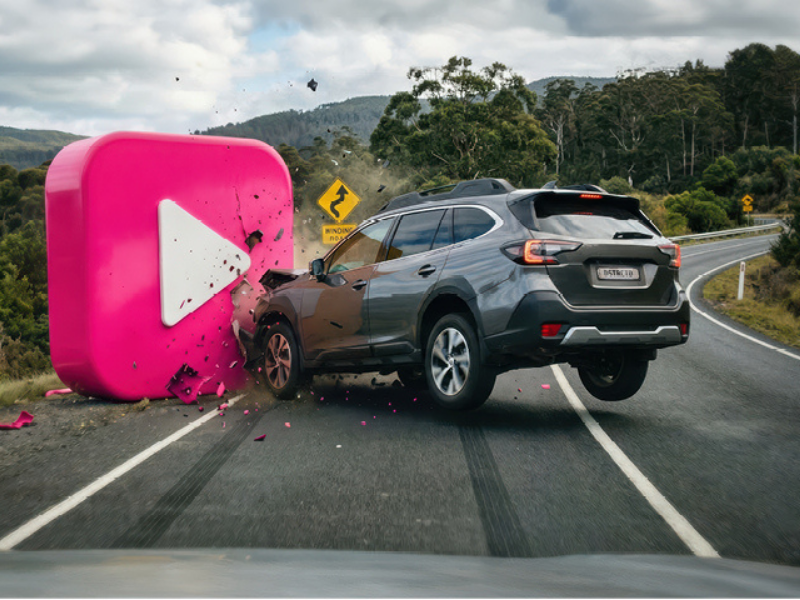
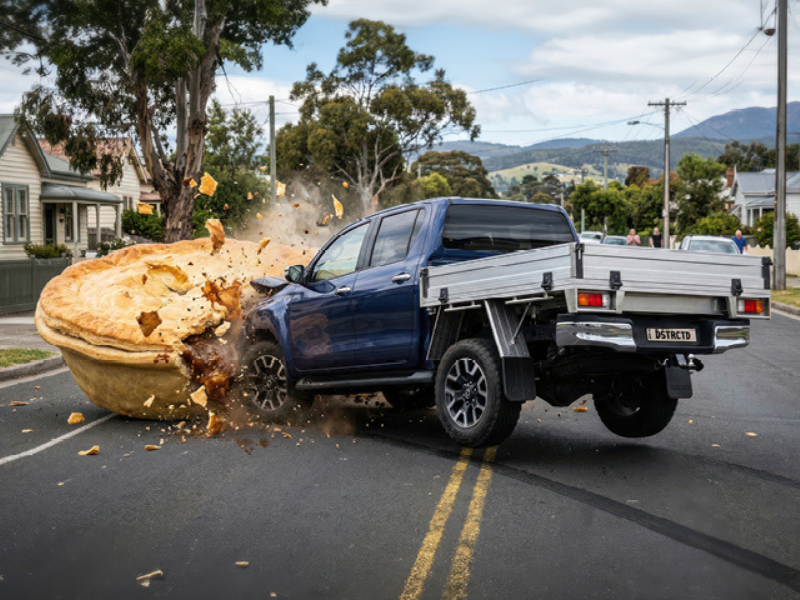
Some distractions may seem harmless, but they can quickly become dangerous behind the wheel.
Common distractions include:
The safest option is to set yourself up before you start driving. You can reduce distractions by:

putting your phone on silent, do not disturb, or out of reach
setting your GPS and music before leaving
pulling over safely if something needs your attention
asking passengers to keep distractions to a minimum
taking regular breaks on longer trips
avoiding driving when you’re tired or overwhelmed
Most people don’t expect a crash to happen to them.
But road crashes often happen during everyday trips, on familiar roads, and in moments where attention slips for only a second.
No message, notification or distraction is worth risking a life.
Stay focused. Drive distraction free.
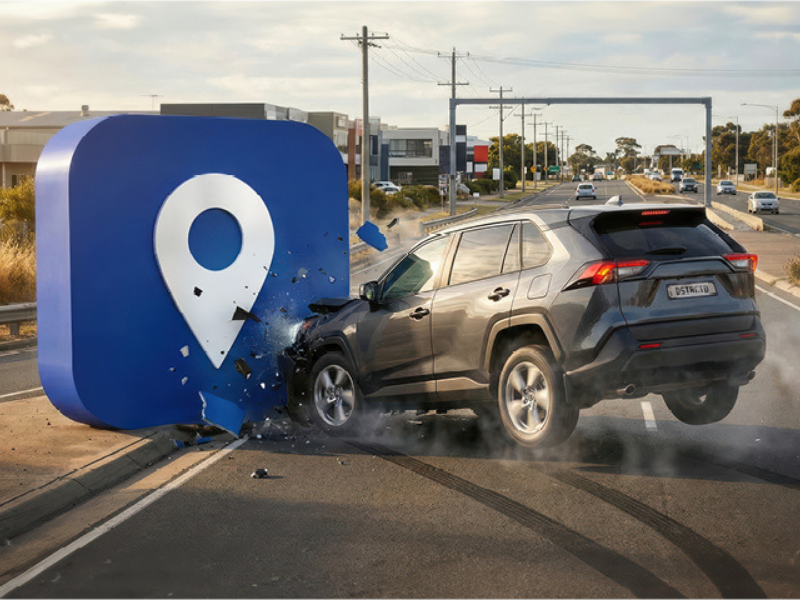

At 100 km/h, taking your eyes off the road for just 2 seconds means travelling more than 55 metres blind.

Inattention and distraction contributed to nearly a quarter of fatalities and serious injuries on Tasmanian roads.

67% of Tasmanian drivers surveyed in our annual road safety survey stated that distraction and inattention are the single biggest cause of serious motor vehicle crashes in Tasmania.