E-Bikes in Tasmania: Know the rules
Electric bicycles (e-bikes) are becoming an increasingly popular way to travel, exercise, and explore Tasmania. They can help riders tackle hills, travel longer distances and make cycling more accessible for people of all ages and abilities. If you're considering buying or riding an e-bike, it's important to understand the rules and choose a bike that meets Australian standards.

What is a legal e-bike?

A legal e-bike is treated the same as a bicycle in Tasmania. This means you do not need:

  • Registration
  • A driver’s licence
  • Compulsory third party insurance

To be legally ridden on public roads and paths, an e-bike must meet one of the following categories:

Electrically Power-Assisted Bicycle (EPAC)

These are the most common e-bikes sold through reputable retailers. They must:

  • Meets the European standard and displays the official EN 15194 compliance label
  • Have a maximum continuous motor power of 250 watts
  • Only provide assistance while the rider is pedalling
  • Stop providing motor assistance at 25km/h
  • Not be self-propelled beyond 6km/h per hour, as a walk assist function

200-watt auxiliary motor bicycles

Tasmania also allows bicycles fitted with an auxiliary motor that:

  • Produces no more than 200 watts of power
  • Weighs less than 15kg

For more information about Power Assisted Bicycles – view the Transport Services Road Safety & Rules page

What is EN 15194?

EN 15194 is the internationally recognised safety standard for electric power-assisted bicycles (EPACs).

An e-bike that complies with EN 15194 has been independently tested to ensure it meets strict requirements for:

  • Motor power limits
  • Speed assistance limits
  • Battery and electrical safety
  • Structural integrity
  • Anti-tampering measures

When buying an e-bike, look for evidence of genuine EN 15194 certification and ask the retailer for supporting documentation if you’re unsure.
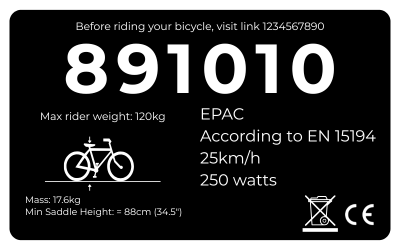
An example of a compliance sticker that can be located on an
EN 15194 Electric Power Assisted Bicycle

Is my e-bike legal?

Your e-bike is generally legal if it:

  • Has pedals as it’s primary source of power

  • Has a maximum continuous motor output of 250 watts

  • Stops providing motor assistance at 25km/h

  • Requires pedalling for normal operation

  • Meets the recognised safety standard of EN 15194

Your e-bike may be illegal to ride in public spaces if it:

  • Has a motor exceeding 250 watts

  • Continues providing assistance above 25 km/h

  • Can be ridden at full speed using a throttle without pedalling

  • Has been modified to bypass speed or power limits

  • Has been converted to an e-bike using an online kit
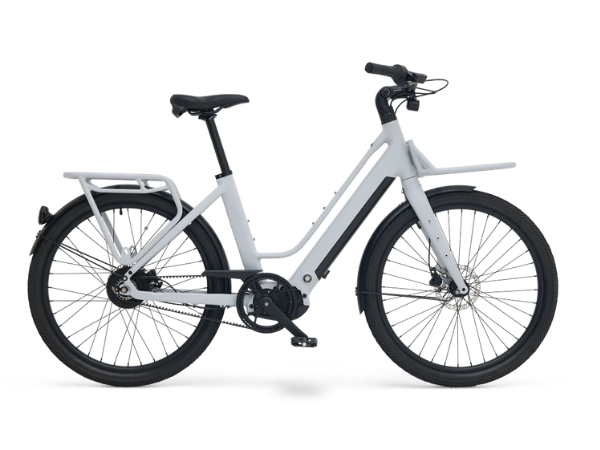
Examples of e-bikes

A STREET LEGAL commuter e-bike

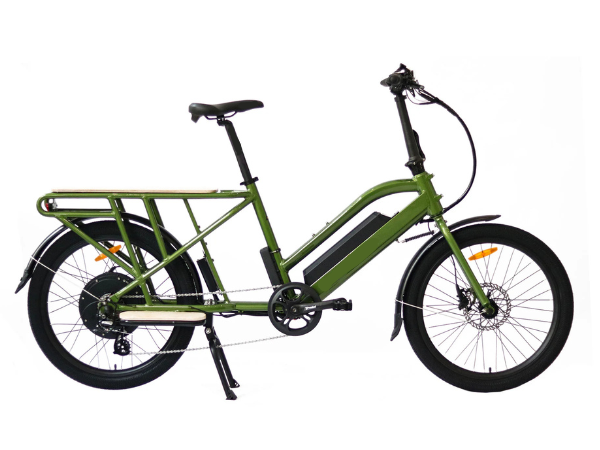
A STREET LEGAL cargo e-bike
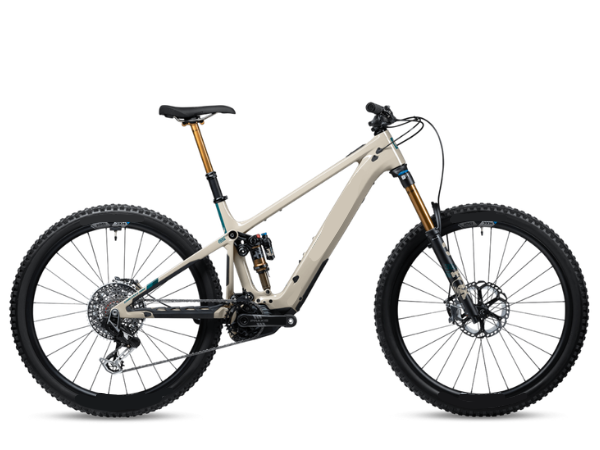
A STREET LEGAL mountain e-bike
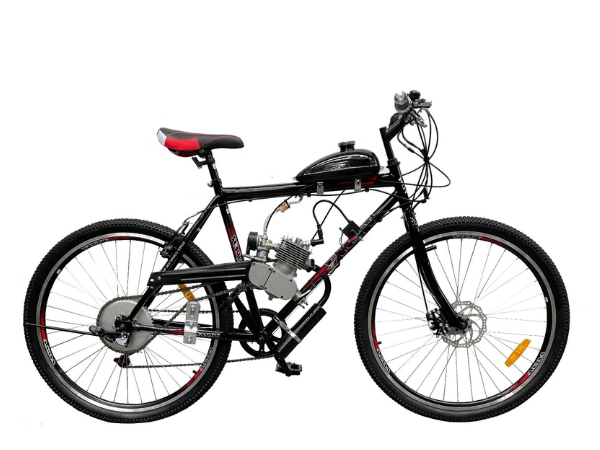
A NOT STREET LEGAL petrol powered bike
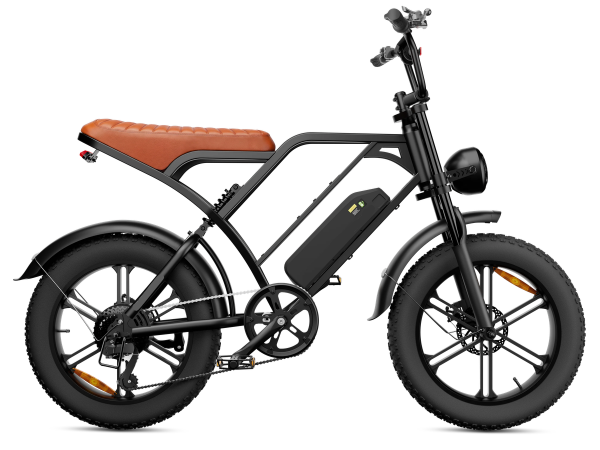
A NOT STREET LEGAL high wattage motorised bike
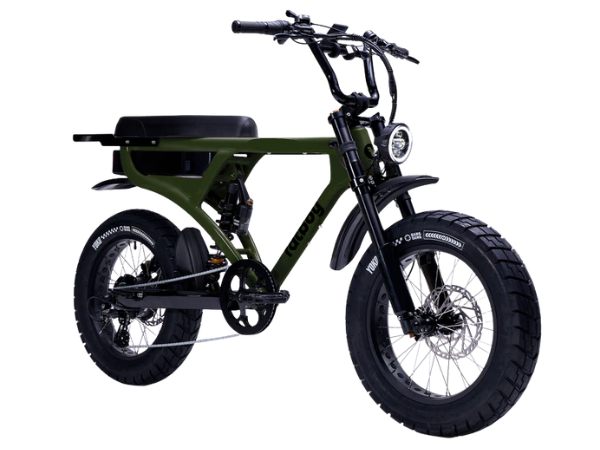
A NOT STREET LEGAL throttle controlled bike

Not all e-bikes are street legal to ride on Tasmania’s roads and shared paths.

With so many models available, it can be hard to know what’s street legal and what’s not.

Answer a few quick questions to check whether your bike meets Tasmania’s e-bike requirements and learn what to look for before you buy or ride.


What can happen if my e-bike is illegal?

An e-bike that exceeds legal power or speed limits may be treated as an unregistered and uninsured motor vehicle.

This can result in significant penalties and may lead to the device being seized.
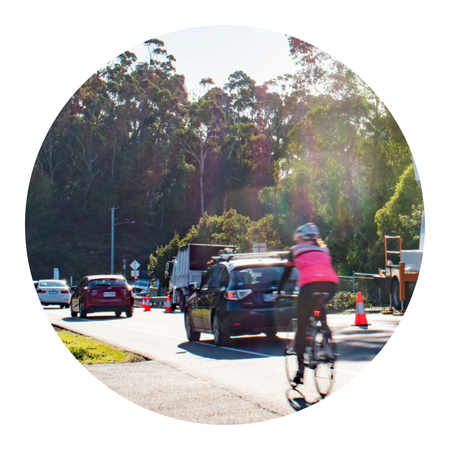
Where can I ride an e-bike in Tasmania?

A compliant e-bike can generally be ridden anywhere a bicycle can be ridden, including:

  • Public Roads (unless bicycles are specifically prohibited)
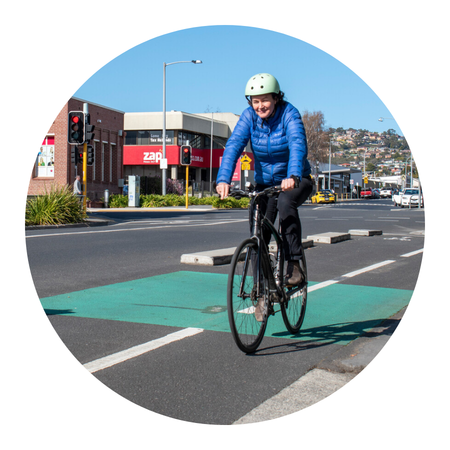
  • Bicycle Lanes

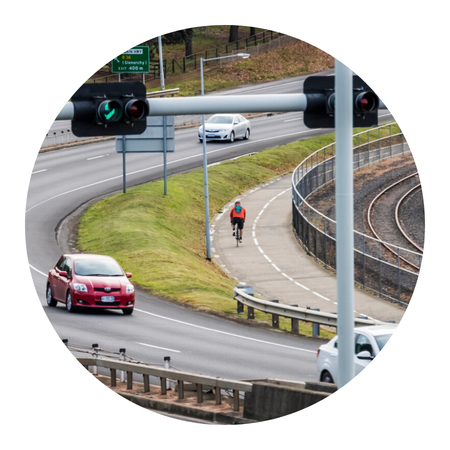
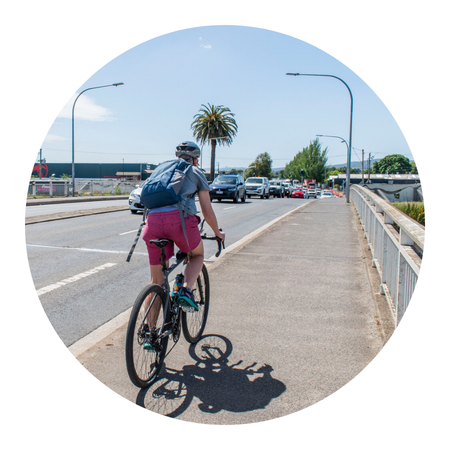
  • Shared Paths

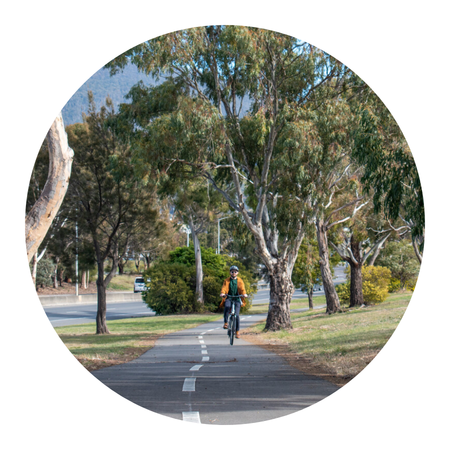
  • Cycleways

  • Footpaths

E-Bike Safety

Check your bike

Before riding:

  • Check your brakes
  • Ensure tyres are properly inflated
  • Inspect the battery and charging equipment for damage
  • Follow the manufacturer’s charging instructions

Make yourself visible

If riding at night or in low-light conditions, ensure your bike has:
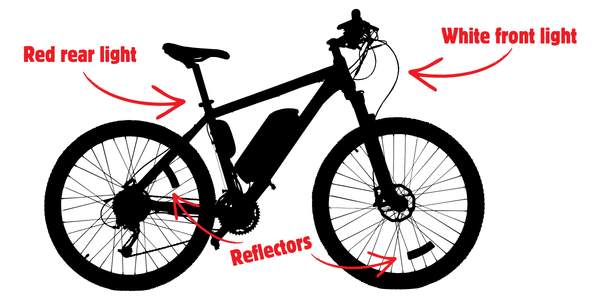
  • A white front light
  • A red rear light
  • Reflectors
  • Wear reflective clothing

Wear a helmet

All riders must wear an approved bicycle helmet that complies with Australian Standard AS/NZS 2063.

Battery safety

Most e-bikes use lithium-ion batteries.

To reduce fire risk:

  • Use the charger supplied by the manufacturer
  • Do not charge damaged batteries
  • Do not charge batteries on beds, couches or near exits
  • Stop using the battery if it becomes damaged, swollen or overheats
  • Follow manufacturer instructions for storage and disposal

Riding Rules

  • Obey speed limits
  • Always wear a helmet
  • Don’t use your phone while riding
  • Give way to pedestrians
  • One person per bike, unless your bike is designed for it (e.g. tandem or child seat)
  • Don’t ride under the influence of drugs or alcohol
  • If there is a crash, stop, assist anyone who is hurt, and share your contact details