Tasmanian drivers are being urged to take extra care on the roads this Easter, with the long weekend traditionally bringing increased traffic across the state.
“Many people take this opportunity to visit family or get away for a few days, and we are reminding drivers that small decisions behind the wheel can have life-changing consequences,” Chair of the Road Safety Advisory Council, Scott Tilyard, said.
Already this year, nine people have died on Tasmanian roads, compared with eight at the same time last year.
“It has been a disappointing start to the year. Even with many people doing the right thing, we are still seeing too many people killed or seriously injured,” Mr Tilyard said.
“Most serious crashes are not caused by extreme behaviour but by everyday mistakes behind the wheel. The same key factors keep appearing in our serious crashes – speeding, distraction, fatigue, impairment and not wearing a seatbelt.”
Failure to wear a seatbelt remains a major concern. Last year, 16 of the 184 vehicle occupants killed or seriously injured were not wearing a seatbelt, and seven of the 25 people who died were unrestrained.
“Seatbelts are one of the simplest and most effective safety devices, yet people are still being killed or seriously injured because they are not wearing one,” Mr Tilyard said.
“It takes only a few seconds to buckle up, and that simple action can be the difference between walking away from a crash and suffering catastrophic injuries.”
Vulnerable road users were also over-represented last year, accounting for 42 per cent of all fatalities, including pedestrians, cyclists and motorcyclists.
“Twelve motorcyclists were killed on Tasmanian roads last year. It is a tragic reminder of how exposed riders are when things go wrong,” Mr Tilyard said.
“Drivers need to look twice and expect to see pedestrians, cyclists and riders. And for those on foot, bikes or motorcycles, being visible and wearing the right gear makes a real difference.”
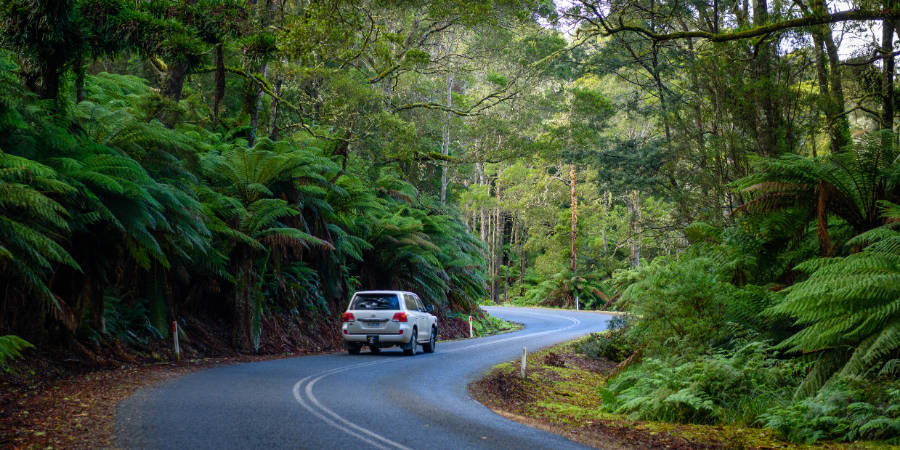
Crash data from last year shows many of Tasmania’s most serious crashes involved vehicles leaving the road or crossing into oncoming traffic, particularly on higher-speed rural roads and through bends.
“Slowing before bends, staying focused and keeping to your lane can prevent some of the most severe crash types,” said Mr Tilyard.
“Even when you are driving carefully, someone else’s mistake can still affect you, which is why giving yourself time and space on the road remains important.
“With more people travelling over Easter, we want everyone to arrive at their destination safely – a few simple choices on the road can make all the difference.”
Safe driving tips this Easter
Speed: Follow the speed limit and drive to the conditions. Be ready to slow down as road, weather and traffic conditions can change unexpectedly.
Seatbelts: Make sure everyone is properly buckled up before you leave. A seatbelt remains one of the simplest and most effective ways to survive a crash. It’s also important to ensure a seatbelt is correctly fitted. A seatbelt should sit low across your hips with the shoulder strap across the middle of your chest, flat and untwisted. Wearing it under your arm, behind your back or leaving it loose means it can’t protect you properly in a crash.
Distraction: Keep your attention on the road. Put the phone away, avoid scrolling at traffic lights and keep in-car activity from diverting your focus. Even a moment of distraction can have serious consequences.
Drink and drug driving: If you are drinking or using drugs, do not drive. Plan ahead with a designated driver, taxi, rideshare or stay the night. Alcohol and drugs can remain in your system well after you stop consuming them.
Fatigue: Tiredness is not just a long-distance problem. Everyday life can leave you fatigued before you even start the car. Less than five hours of sleep makes you four times more likely to crash. Rest before you travel and if you feel drowsy on the road, pull over safely, take a break or swap drivers if possible.